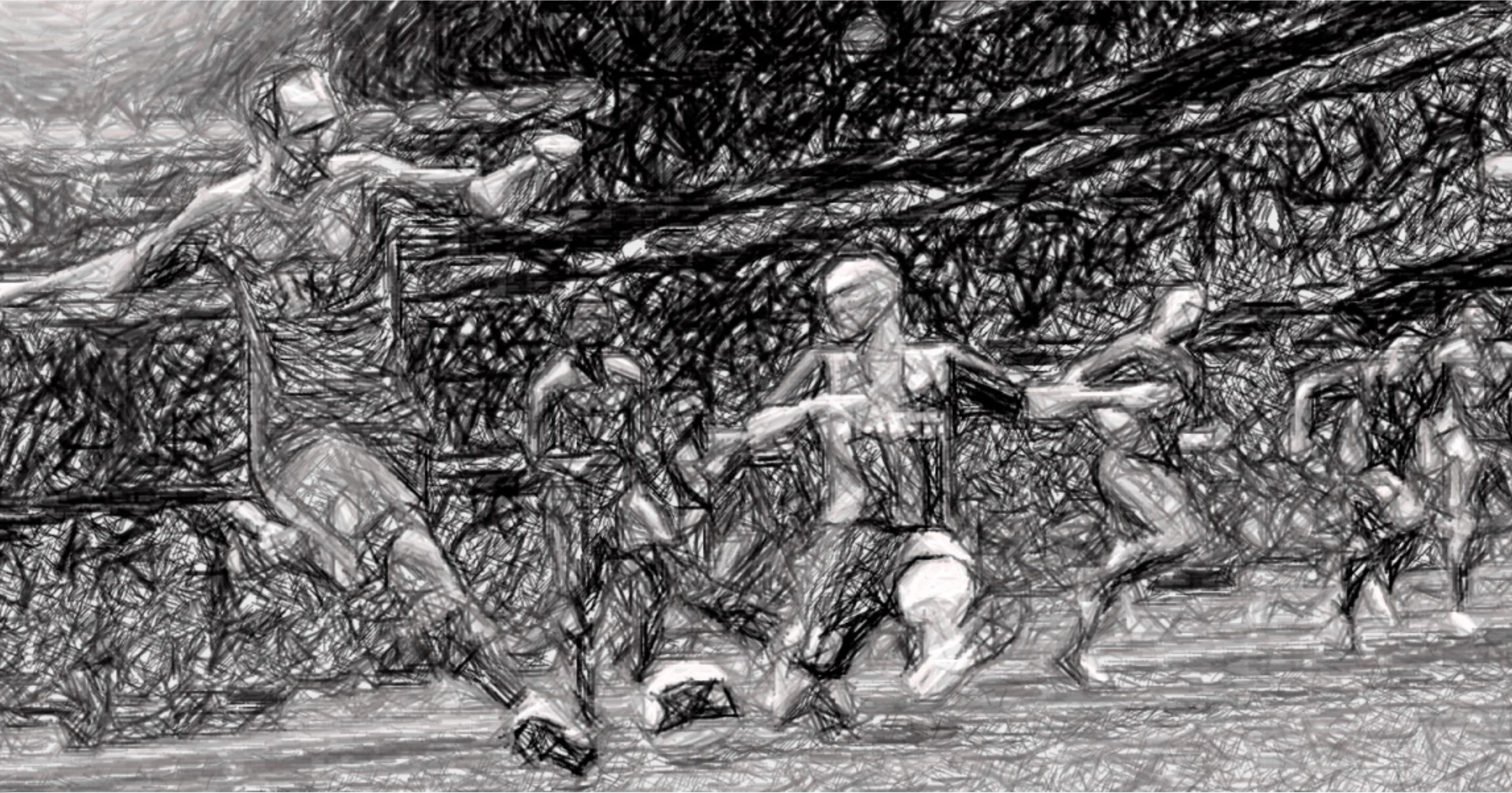
Visual Segmentation
Ability to focus on a specific visual element in the environment, such as the ball, a teammate or an opponent among surrounding stimuli.
Perception and information processing in competitive sport
Understand how the brain sees, hears, reacts and prepares decisions. For more clarity, faster action and cognitive resources that can be used freely.
The human brain works with nine fundamental information-processing functions. They form the basis for how we filter, absorb, store, connect and translate stimuli into action.
BASIC 9 shows which functions are especially strong, where the brain is compensating unconsciously, and how bound energy can become available again for speed, focus, overview and creativity.
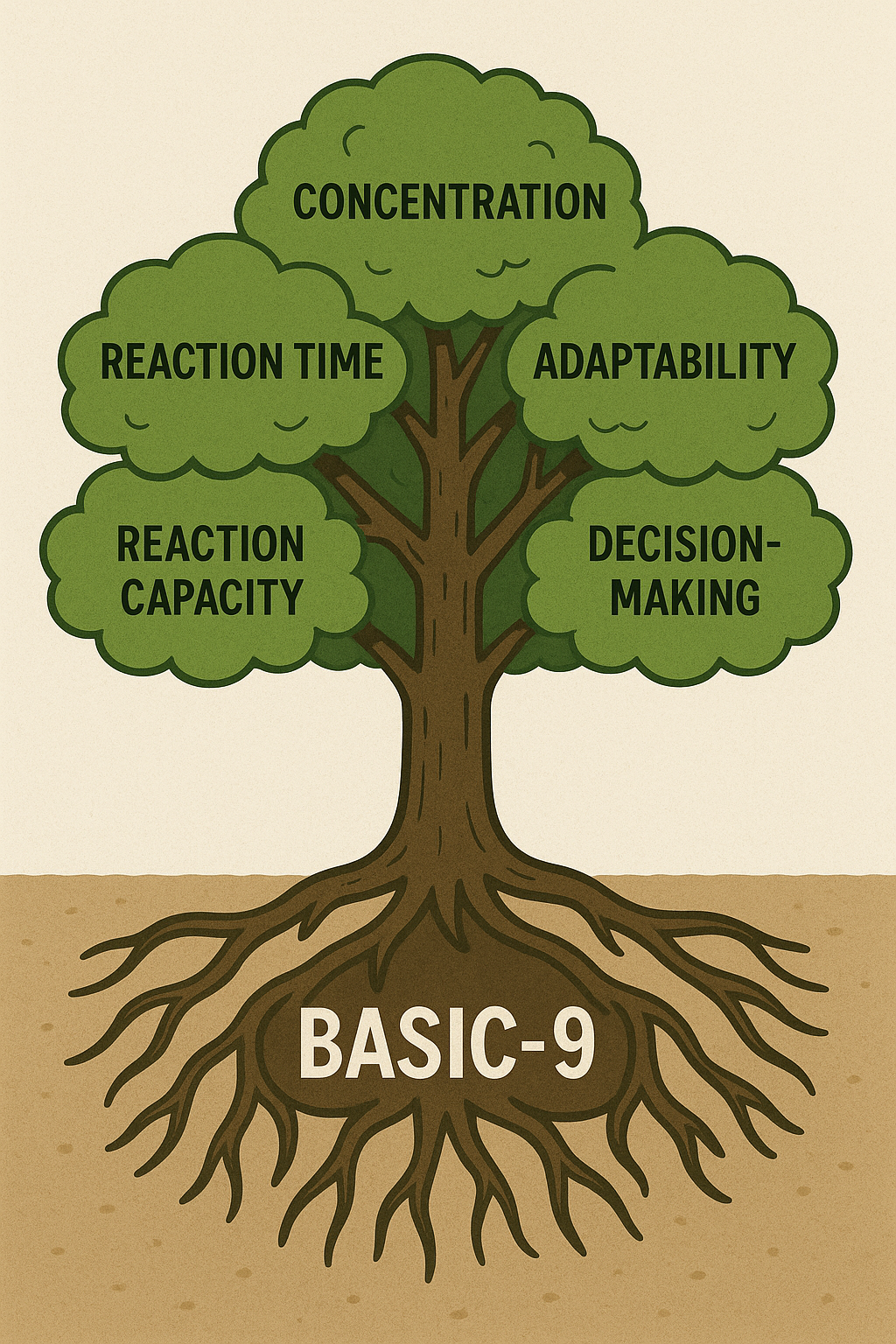
In everyday situations, small weaknesses often remain unnoticed because the brain compensates for them automatically. Under speed, pressure and complex match situations, however, this compensation costs energy. BASIC 9 has been tested in practice for over 40 years and used in team sports for more than 10 years.
In the network, the colored heads represent the functional areas: visual, auditory, spatial orientation, intermodality and seriality.

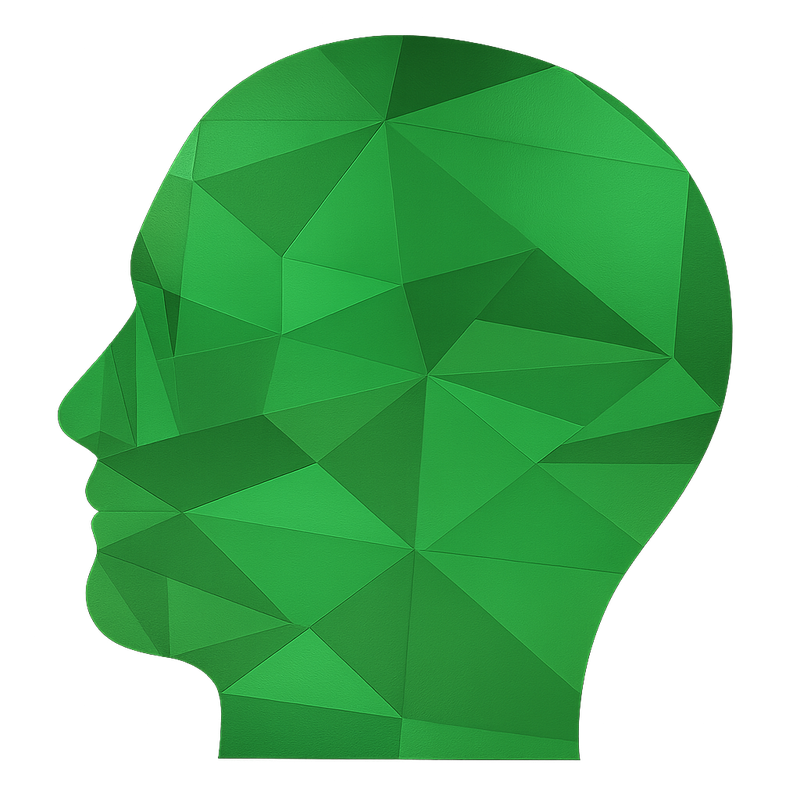
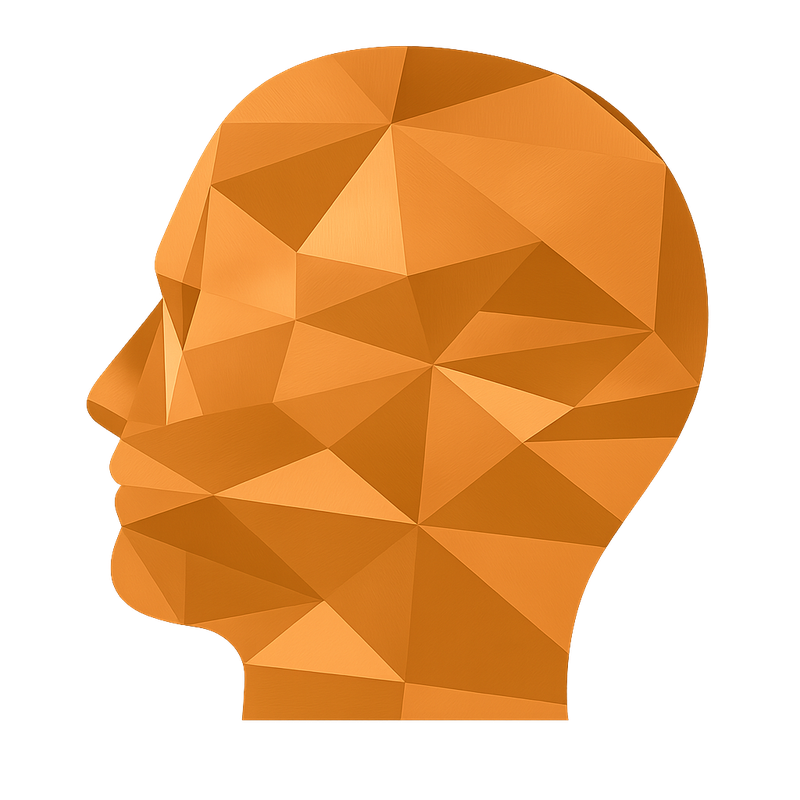


Ability to focus on a specific visual element in the environment, such as the ball, a teammate or an opponent among surrounding stimuli.
Ability to distinguish visual stimuli from one another, for example recognizing player positions or identifying teammates.
Ability to store and retrieve visual information, such as defensive formations, positions during play development or tactical images.
Ability to focus on a specific auditory input in a noisy environment, such as a teammate or coach against stadium noise.
Ability to distinguish auditory stimuli from one another, for example who is calling and what is being called.
Ability to store and recall what has been heard, such as game commands, tactical instructions or meeting content.
Ability to analyze the position of bodies and objects in space: own body, ball, teammates, opponents and playable open spaces.
Ability to connect individual functional areas. It supports smooth coordination and acts as a bridge between modalities.
Ability to recognize, remember and accurately reproduce sequences, and to adapt them when needed.
Classical cognitive training methods usually target higher-level functions: attention, reaction speed, game intelligence, decision-making or tactical thinking. These abilities, however, build on basic information-processing functions.
BASIC 9 strengthens this foundation. When perception, memory, spatial orientation, integration and serial processing work more reliably, advanced training methods can connect more precisely and unfold their effects more effectively.
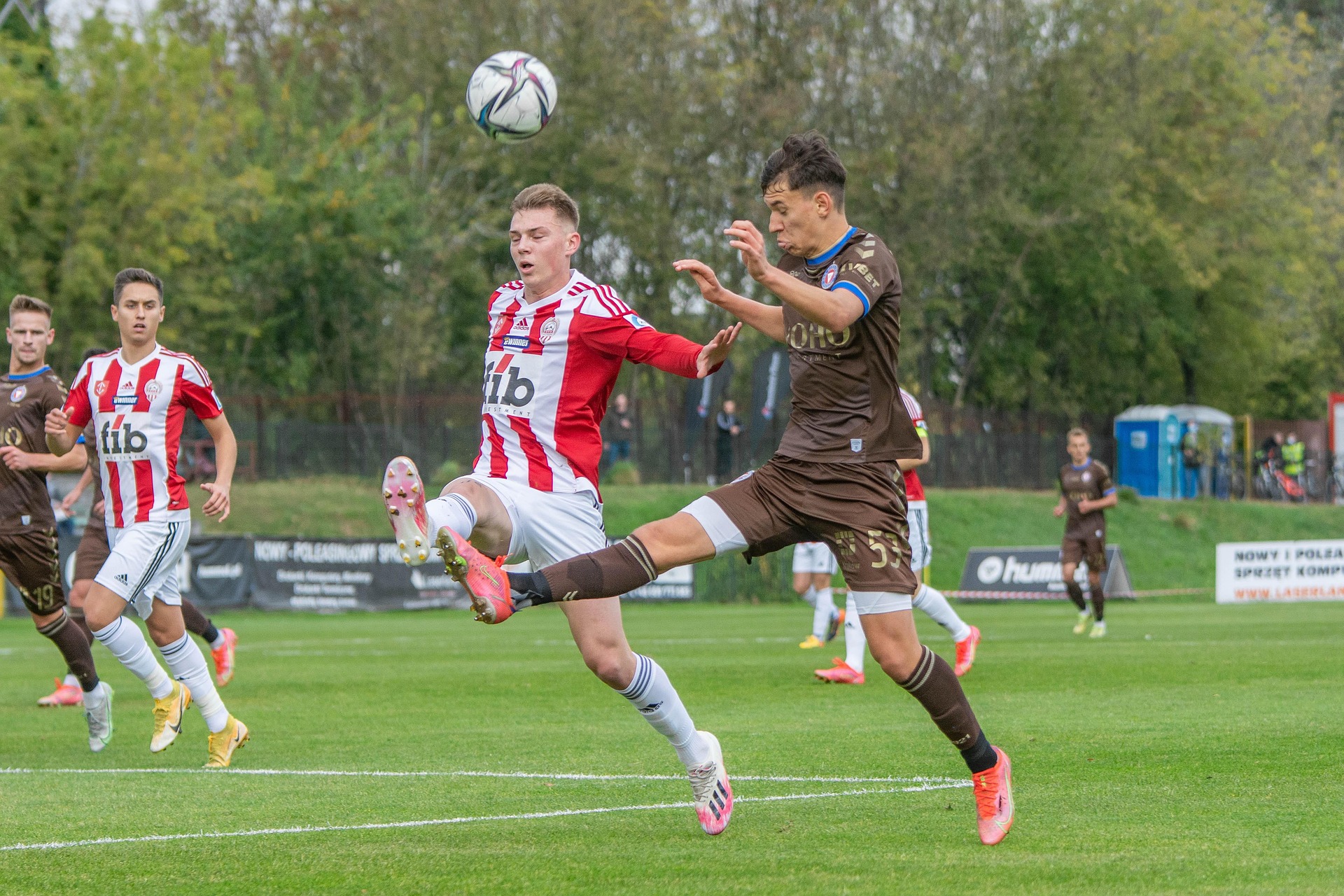
Tactically demanding team sports require several sub-functions to work together: perceiving, filtering, remembering, deciding, adapting and acting.

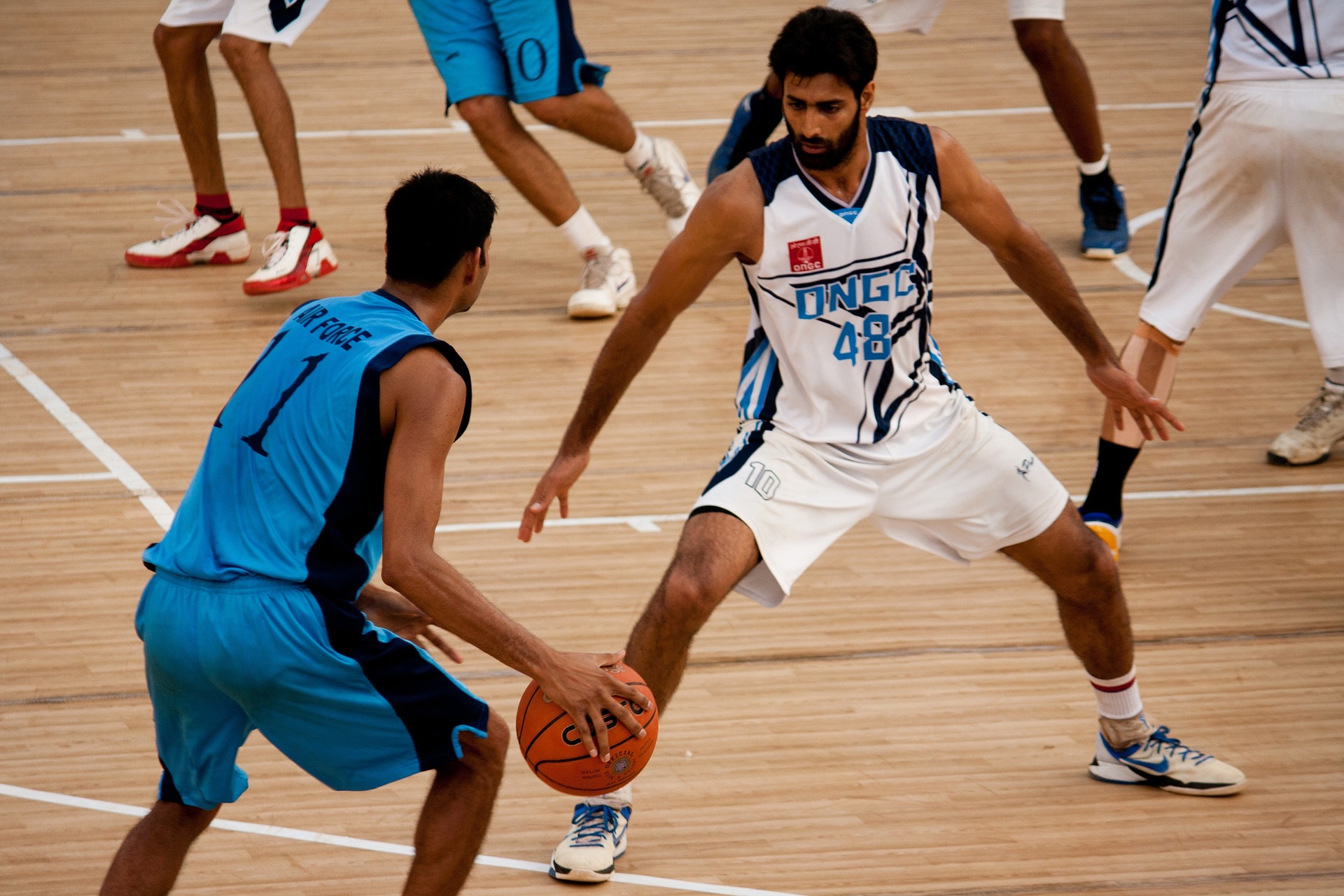
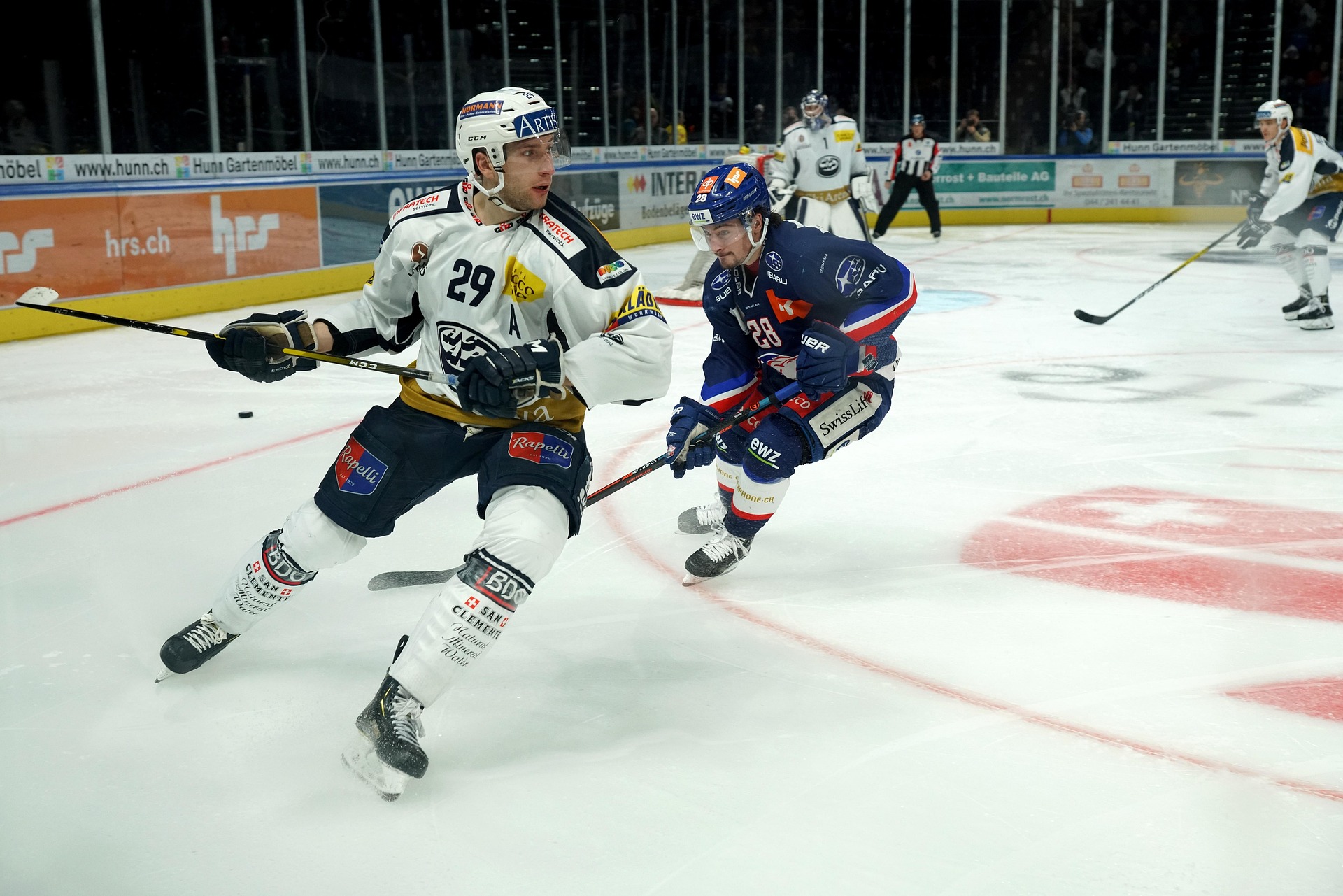
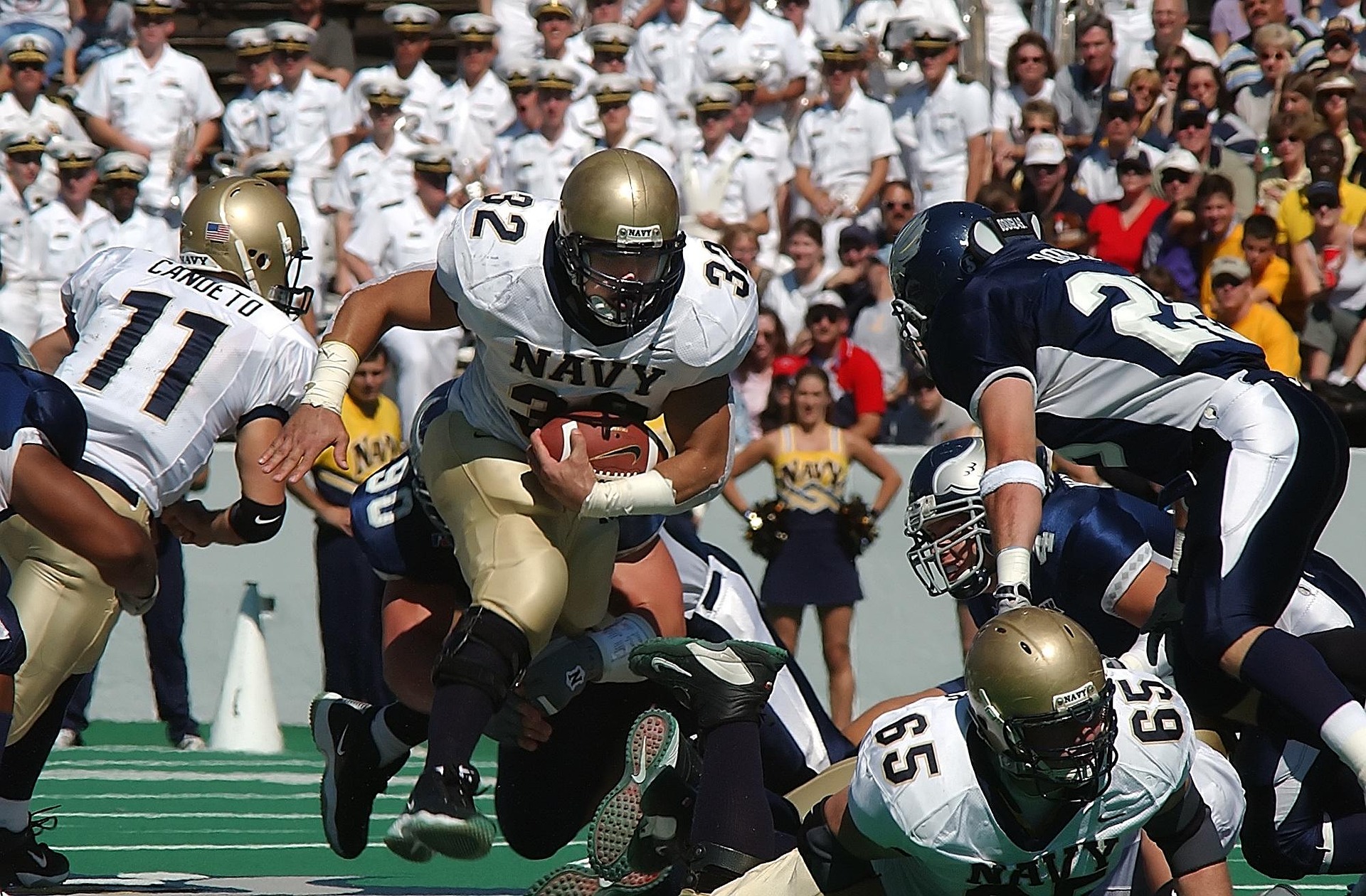
BASIC 9 makes strengths and weaknesses visible. This creates a precise training approach that frees cognitive resources instead of only addressing visible symptoms.
Identify which sub-skills are strong and where compensation is taking place.
Understand how perception, processing and action interact individually.
Targeted short training strengthens weaker areas and relieves strong functions.

It is not about looking for problems. It is about understanding how the brain works and helping it access its full potential.
BASIC 9 can be used for athletes, coaching teams and organizations that want to develop perception, decision-making and mental performance in a targeted way.